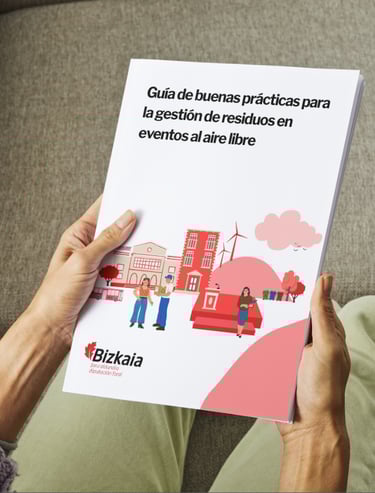

A sustainable event is one that is designed, organised and delivered with the aim of minimising negative environmental, social and economic impacts, whilst at the same time generating a positive and lasting impact on the community in which it takes place.


Purpose of the guide
The aim of this guide is to provide event promoters and organisers with a series of practical recommendations for improving the management of waste generated during various types of events that bring together large numbers of people.
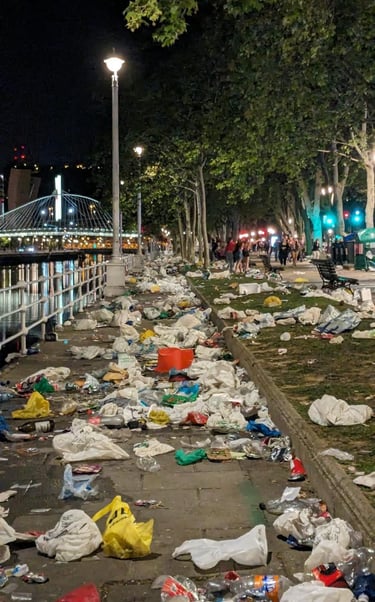
The ultimate goal is to reduce the amount of waste generated and ensure that any waste produced is managed as effectively as possible, thereby minimising the environmental impact associated with outdoor events.
Who is it aimed at:
Event promoters and organisers.
As well as the bodies and authorities responsible for regulating and authorising public events, with the aim of facilitating more sustainable and coordinated management.
Types of events to which this guide applies
The guidelines apply to events held outdoors, such as:
Local festivals.
Group sporting events and competitions (races, marathons, tournaments, etc.).
Private events held on public land (birthdays, private parties, etc.).
Filming and audiovisual recordings.
Themed events (gastronomic, cultural, folklore, Basque language, etc.).
Concerts.
It is aimed at a wide variety of event formats. Although not all measures are applicable in every case, they all share a series of common stages in their planning and delivery, which are addressed throughout the guide.
WHAT IS A SUSTAINABLE EVENT?


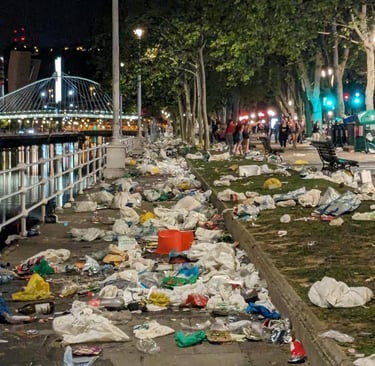
A sustainable event is one that is designed, organised and delivered with the aim of minimising negative environmental, social and economic impacts, whilst at the same time generating a positive and lasting impact on the community in which it takes place.

Purpose of the guide
The aim of this guide is to provide event promoters and organisers with a series of practical recommendations for improving the management of waste generated during various types of events that bring together large numbers of people.
The ultimate goal is to reduce the amount of waste generated and ensure that any waste produced is managed as effectively as possible, thereby minimising the environmental impact associated with outdoor events.
Who is it aimed at:
Event promoters and organisers.
As well as the bodies and authorities responsible for regulating and authorising public events, with the aim of facilitating more sustainable and coordinated management.
Types of events to which this guide applies
The guidelines apply to events held outdoors, such as:
Local festivals.
Group sporting events and competitions (races, marathons, tournaments, etc.).
Private events held on public land (birthdays, private parties, etc.).
Filming and audiovisual recordings.
Themed events (gastronomic, cultural, folklore, Basque language, etc.).
Concerts.
It is aimed at a wide variety of event formats. Although not all measures are applicable in every case, they all share a series of common stages in their planning and delivery, which are addressed throughout the guide.
WHAT IS A SUSTAINABLE EVENT?